Reading Millions of Conversations
How questions, clustering, and privacy gates turn AI conversations into evidence—and how to tell what the resulting map can actually show.
Oct 23, 2026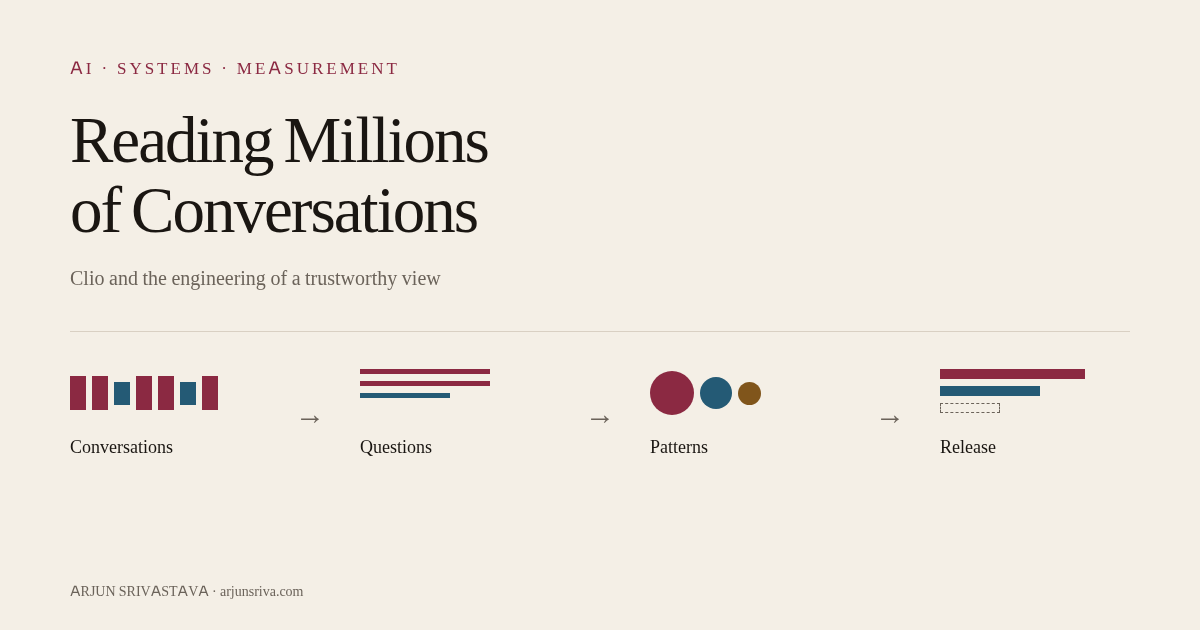
Start with The Evaluation Machine, or browse all selected essays below, newest first.
How questions, clustering, and privacy gates turn AI conversations into evidence—and how to tell what the resulting map can actually show.
Oct 23, 2026
A $30 keychain hit, taken apart one question at a time: what it is, how to get inside, how it makes a photo, what could change, how to compile better taste into cameras people already own, and what happens when looks are cheap.
Oct 23, 2026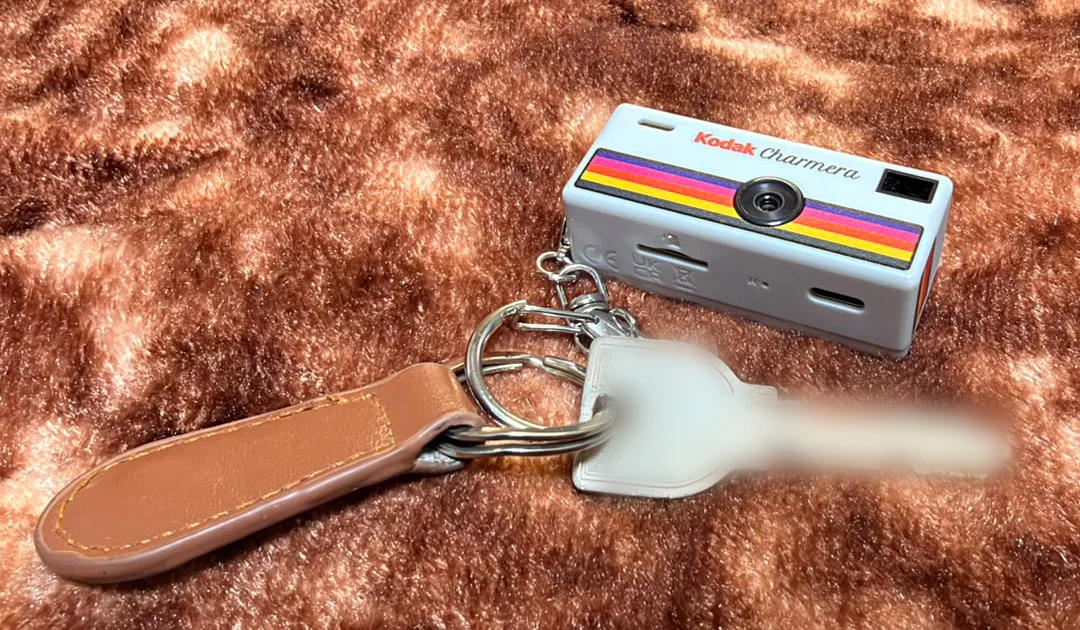
Follow AllReduce from a simple operation through collective algorithms, network topology, and GPU execution.
Sep 8, 2026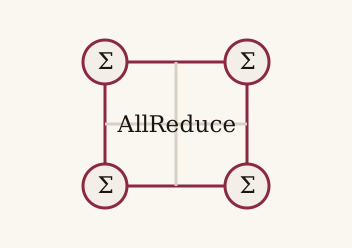
How contracts, evidence, environments, and release gates help teams decide whether learned behavior is ready to ship.
Sep 2, 2026
A system I built to recover project state from 6,604 AI conversations, reconcile evidence, and construct task-specific memory.
Jul 31, 2026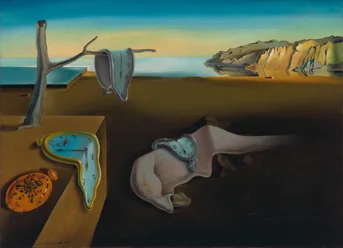
Financial instruments are architectures for economic workloads. As business flows become machine-legible, observability may change not just underwriting, but the unit of financing itself.
Apr 8, 2026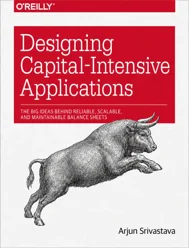
A practical framework for choosing metrics, setting action thresholds, and retiring the ones that no longer help
Dec 12, 2025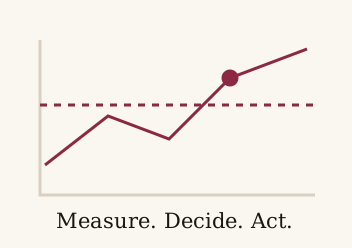
How to decide what must pass before a new model, instruction, or workflow ships
Aug 25, 2025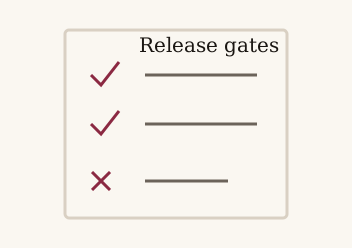
A systems view of LLM latency, cost, reliability, and evaluation
Jun 17, 2025
Interactive essays and experiments from my independent research site, Novus Opus.
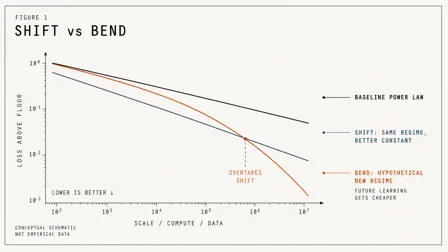
Explore scaling laws and what would make a learner better at learning.
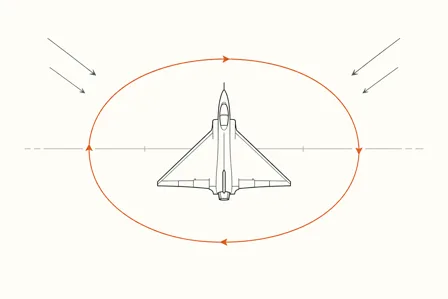
Explore the control loops that could help AI maintain long-running plans and commitments.
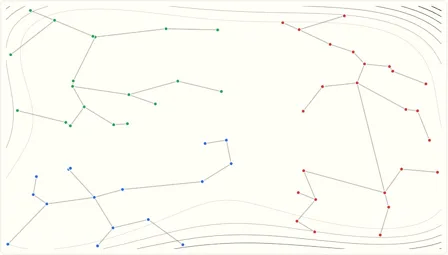
Experiment with the trade-off between communication and independent discovery.
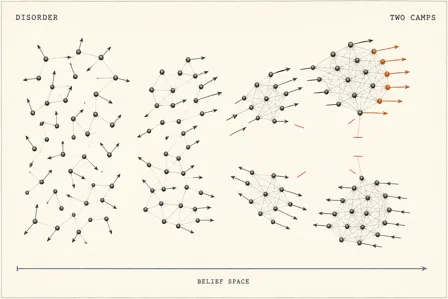
Build an opinion-dynamics model, then experiment with trust, network structure, and polarization.
Writing on systems, machine learning, and data infrastructure.
Earlier writing collects older essays, projects, and experiments. The RSS feed includes both selected and earlier writing.